By Victoria Witke
Wildfire risk is high in the upper Great Lakes, and research shows that large, scorching wildfires spell trouble for lakes in the region’s remote watersheds.
By Elizabeth McGowan
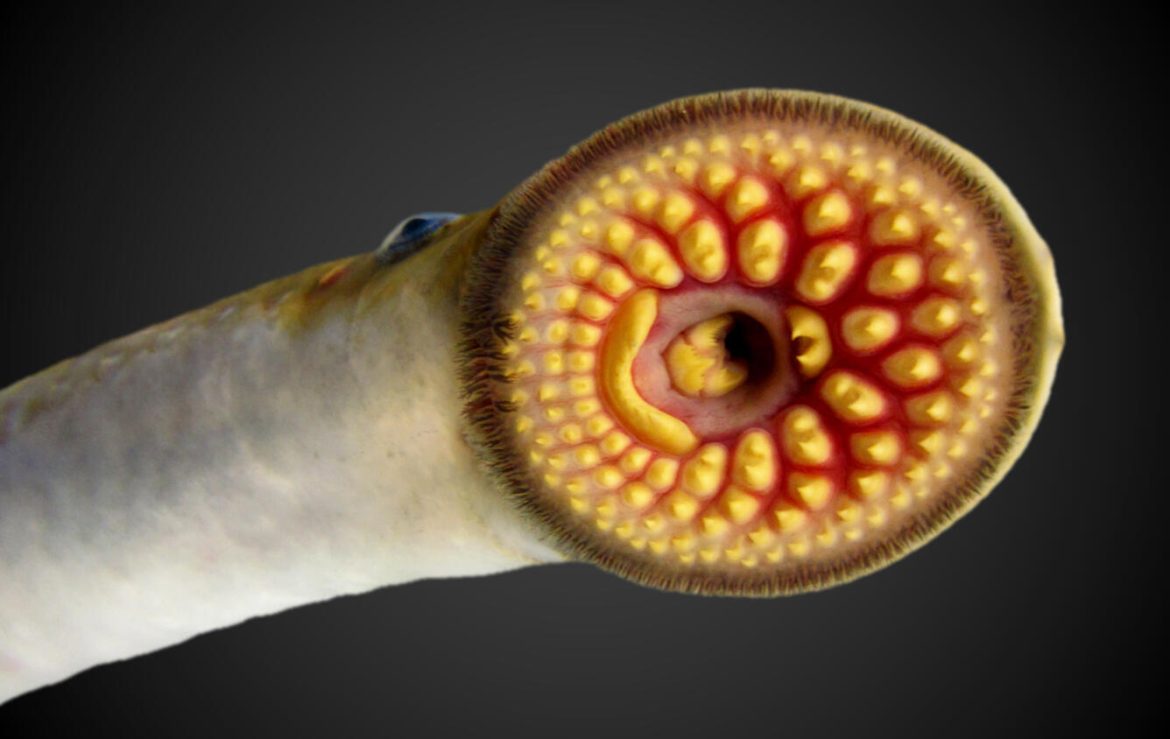
Researchers are exploring a new approach to controlling invasive sea lamprey populations: Chemicals that disrupt pheromones rather than lampricide.
By Isabella Figueroa Nogueira
The number of bald eagles in Michigan is declining. Workers are finding empty and damaged nests, malnourished eaglets and adult bald eagles attempting to nest a second time after failed attempts. Funding delays aren't helping.
U.S. Senator Jon Husted met with conservation leaders at Maumee Bay State Park in Ohio for a Great Lakes conservation roundtable. They discussed how to protect Lake Erie and build […]
By Isabella Figueroa Nogueira
As takeout containers pile up across college campuses, universities are struggling to balance sustainability goals with a growing culture of convenience.
The New York State Department of Environmental Conservation has selected the State University of New York at Buffalo to serve as the new host of the Great Lakes Research Consortium, […]
A new 66-foot-long research vessel built to support fish and wildlife studies on the Great Lakes is entering its final phase of testing before delivery to the Michigan Department of […]
It seems spring has finally sprung and the gardening season is in full frenzy with many events and activities. The Ripley and District Horticultural Society’s (RDHS) regular monthly meeting took place May 20 at the Ripley-Huron Community Centre with guest speaker Olivia Haufe, garden manager of the Bruce Botanical Food
By Joshua Kim
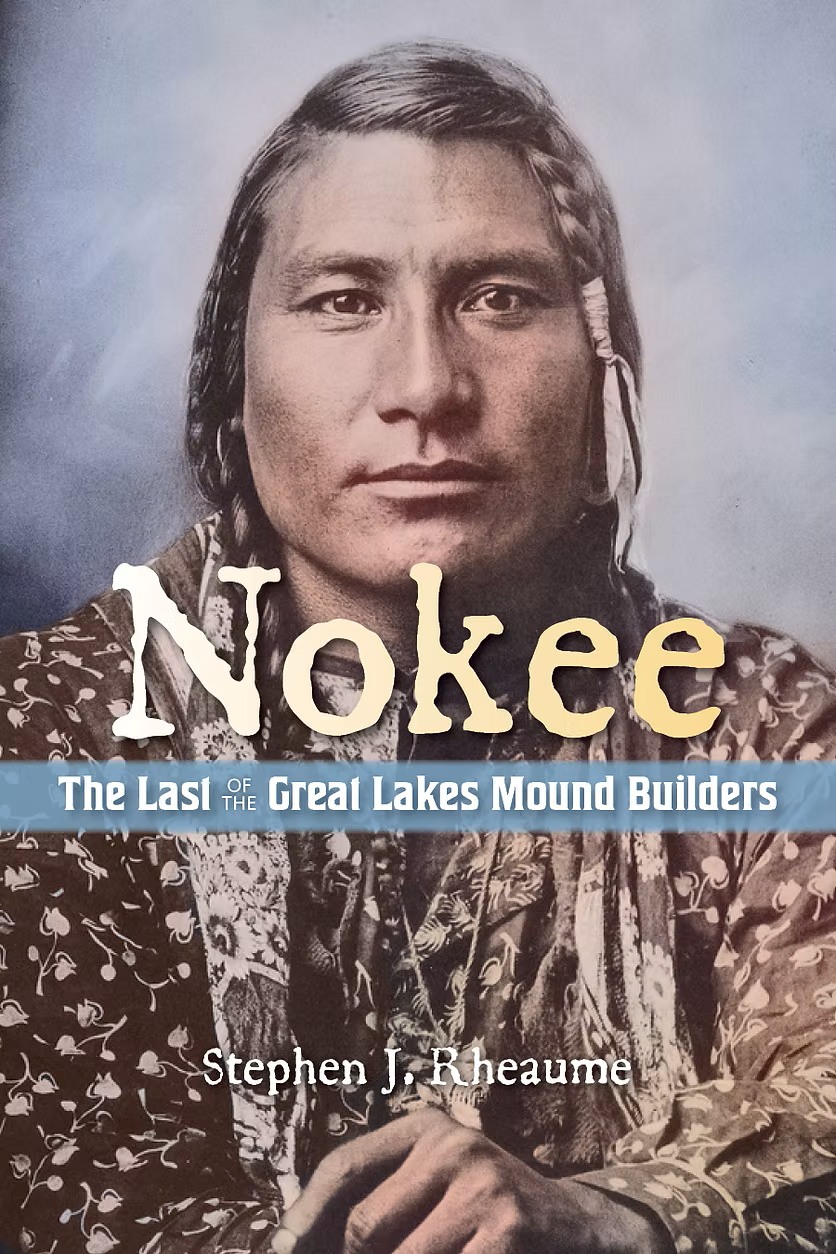
“Nokee: The Last of the Great Lakes Mound Builders” follows Nokee, the last member of a mound-building culture, who embarks on a journey to preserve the memory of his ancestors and find an aging shaman.
By Eric Freedman
Scientists now have evidence that yet another invasive aquatic species -- the bloody red shrimp -- is established in all five Great Lakes.
By Riley Wilson
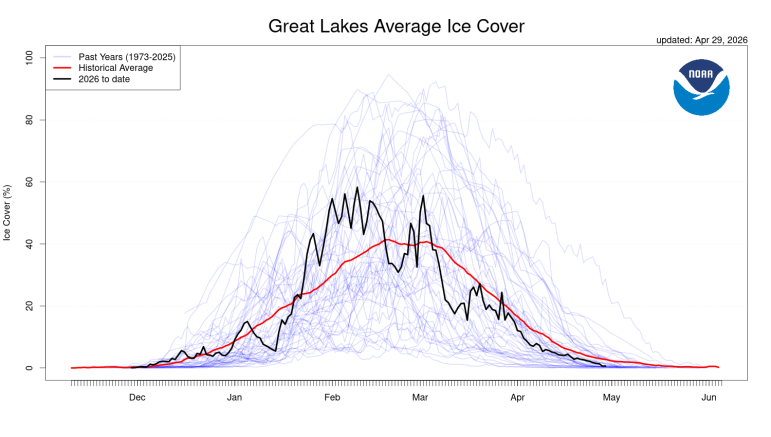
Ice covering the Great Lakes stores organic carbon, which is released in a burst during spring melt. As climate change reduces ice cover, researchers say this seasonal surge of energy may be shrinking, with uncertain consequences for these freshwater systems.