
By Riley Wilson
Climate change, invasive species and other human-driven pressures are among the leading causes of declining freshwater health in the Great Lakes, the National Wildlife Federation reports. There's a growing need for community engagement to protect the lakes, one study finds.
By Akia Thrower
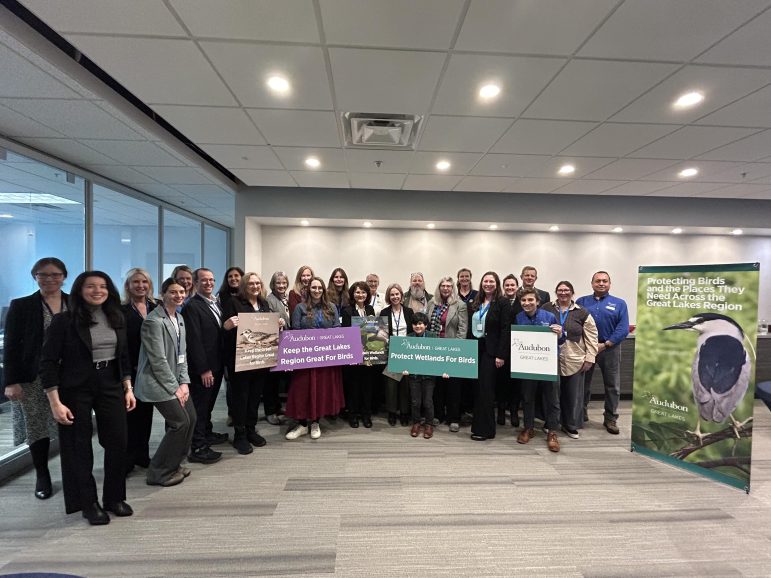
The 2025 State of the Birds report, an evaluation of U.S. birds by conservation organizations, showed a continued decline in bird populations across the nation. The decline is largely due to the habitat loss of wetlands.
A jury found Meta and YouTube liable for harming a young woman through the addictive design of their social media platforms
By Justin Fox Clausen
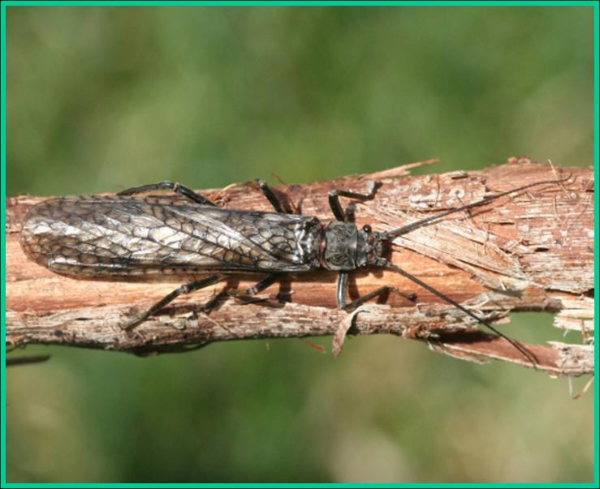
Two insects are under consideration as Michigan's official state insect: the stonefly and, more recently, the Huron River leafhopper. The state is one of two in the country without an official insect.
By Joshua Kim
A recent study explores the importance of more diverse viewpoints and ethical considerations when working in archaeology, especially involving Indigenous artifacts.
The post Study calls for more diverse viewpoints, ethical considerations in archaeology first appeared on Great Lakes Echo. The online session "Grief We Carry and Roles We Inherit: Mental Wellness in Rural Families" takes place April 14.
No matter the season, organizations across the Great Lakes region are fighting to keep waterways garbage-free.
The post Trash on ice sparks movement to keep waterways clean first appeared on Great Lakes Echo.By Madison Merrell
Upfront costs of clean energy projects such as wind and solar may be high but the long-term savings on fuel and increased reliability more than offset those initial costs, experts say.
The post Green energy boosters stress long-term savings first appeared on Great Lakes Echo. A local high school student is making a name for himself in the tech world. “I’ve really just been tinkering around with electronics since I was about 10,” said software developer Shareef Faddah, 17, in a March 12 interview. “In seventh grade, I started to teach myself how to program
By Bauyrzhan Zhaxylykov
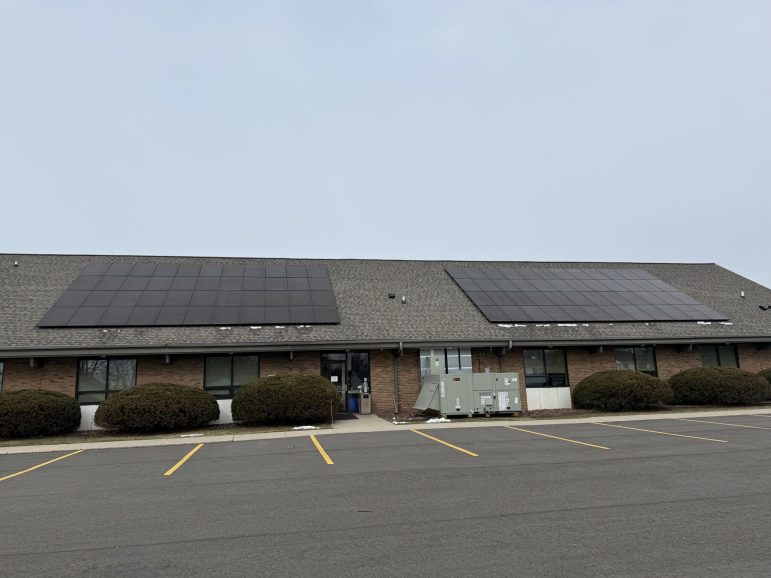
Across Michigan, religious institutions, local governments, schools and nonprofits are turning to a federal program called Elective Pay to help pay for solar panels and other clean-energy projects.
The post Federal program can help nonprofits cover costs of clean-energy projects first appeared on Great Lakes Echo. Health Canada approved gene-edited pigs in Canada but there's no requirement to label gene-edited foods