By Kyrmyzy Turebayeva
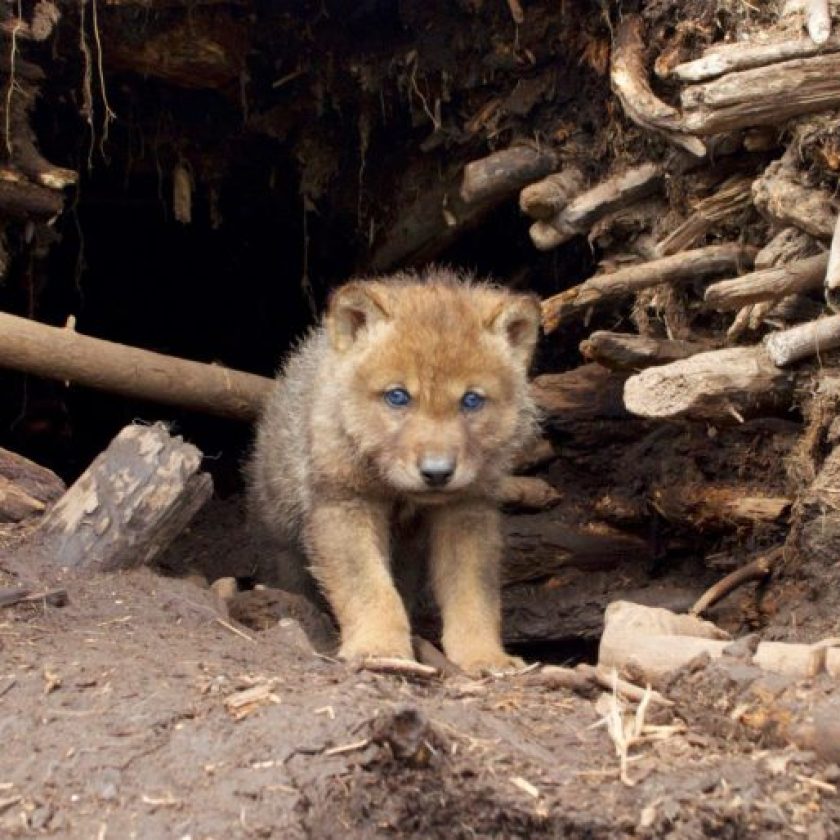
Only about 30 percent of gray wolf pups survive their first year of life even though the wolf population in the region remains stable, according to a new study by researchers at the University of Minnesota.
By Demonte Thomas
The Mid-Michigan Land Conservancy will make its Ionia Natural Area Trail available to the public in October.
By Akia Thrower
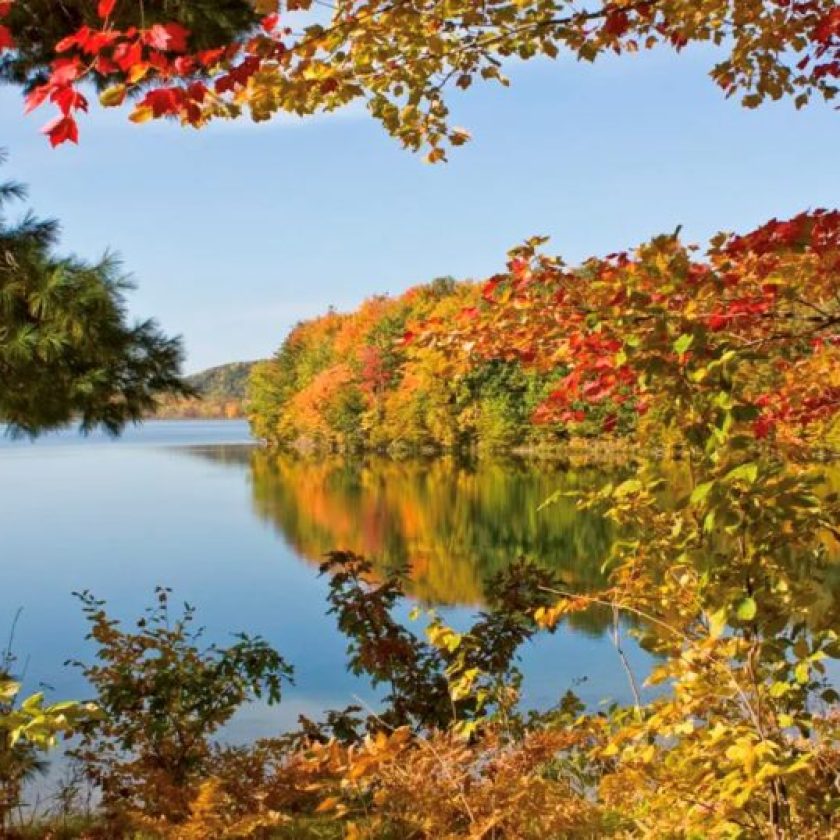
A recent study uncovers the changes within historical tree biodiversity hotspots, which has implications for new conservation efforts in forested areas of concern.
HURON – The challenge is simple: spend 75 minutes exploring a Maitland Valley Conservation Authority property and submit an entry for a chance to win one of three outdoor prize packages. The 75-Minute Hiking Challenge is one of several initiatives planned throughout 2026 to celebrate Maitland Conservation’s 75th anniversary.
By Bauyrzhan Zhaxylykov
Surrounded by busy roads, neighborhoods and businesses, Ken-O-Sha Park doesn’t look like one of Michigan’s most valuable forests. But a new study found the 100-acre park in Grand Rapids is home to one of the state’s highest-quality remaining forests.
By Domonic Marroni
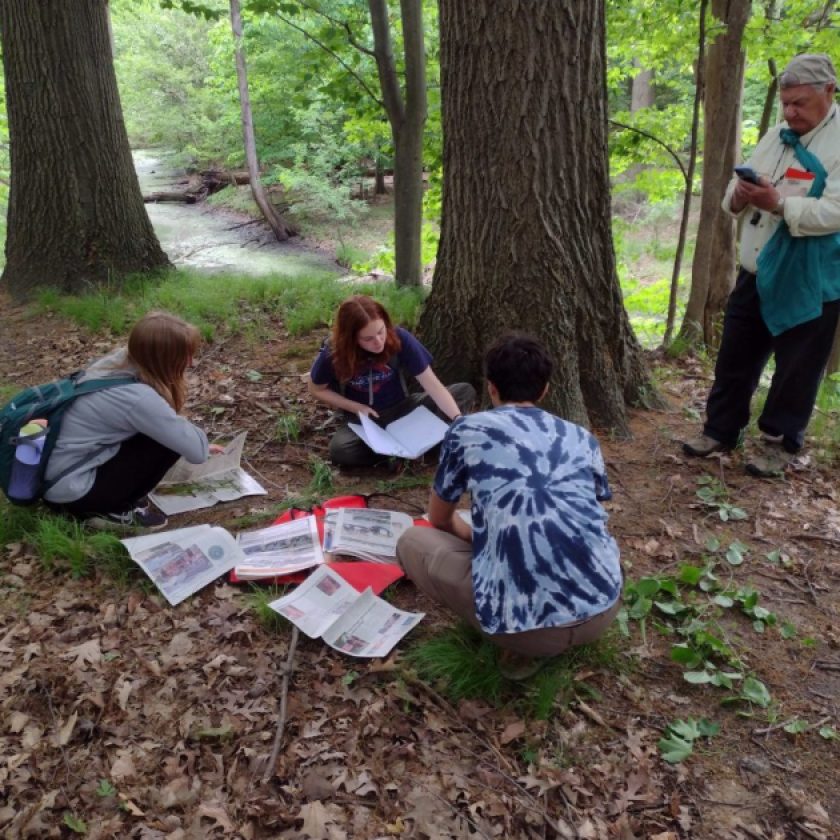
In Ann Arbor, Michigan, Skyline High School's natural areas are home to several species of invasive plants causing widespread destruction of surrounding trees. These species pose potential fire hazards and are dangerous to public health. Action is needed, say several environmental experts, to avert future disasters and
By Victoria Witke
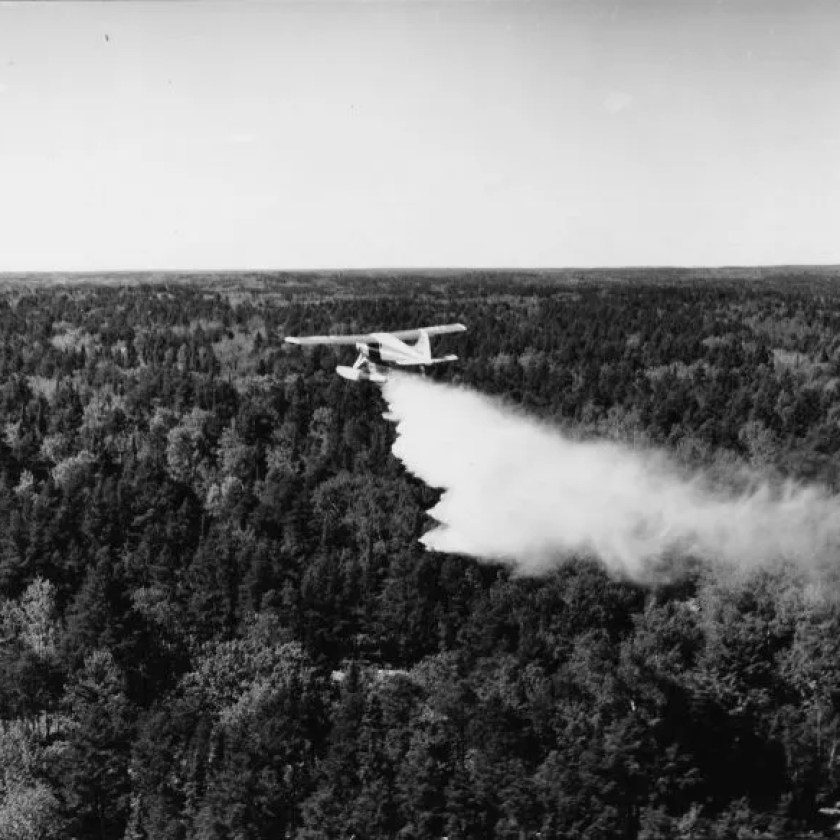
Wildfire risk is predicted to stay elevated in the Upper Midwest from drought and high winds. That’s risky for the region’s pristine inland lakes, but land managers are working to reduce wildfire risk in the Northwoods with controlled burns.
By Victoria Witke
Wildfire risk is high in the upper Great Lakes, and research shows that large, scorching wildfires spell trouble for lakes in the region’s remote watersheds.
By Carly Carter
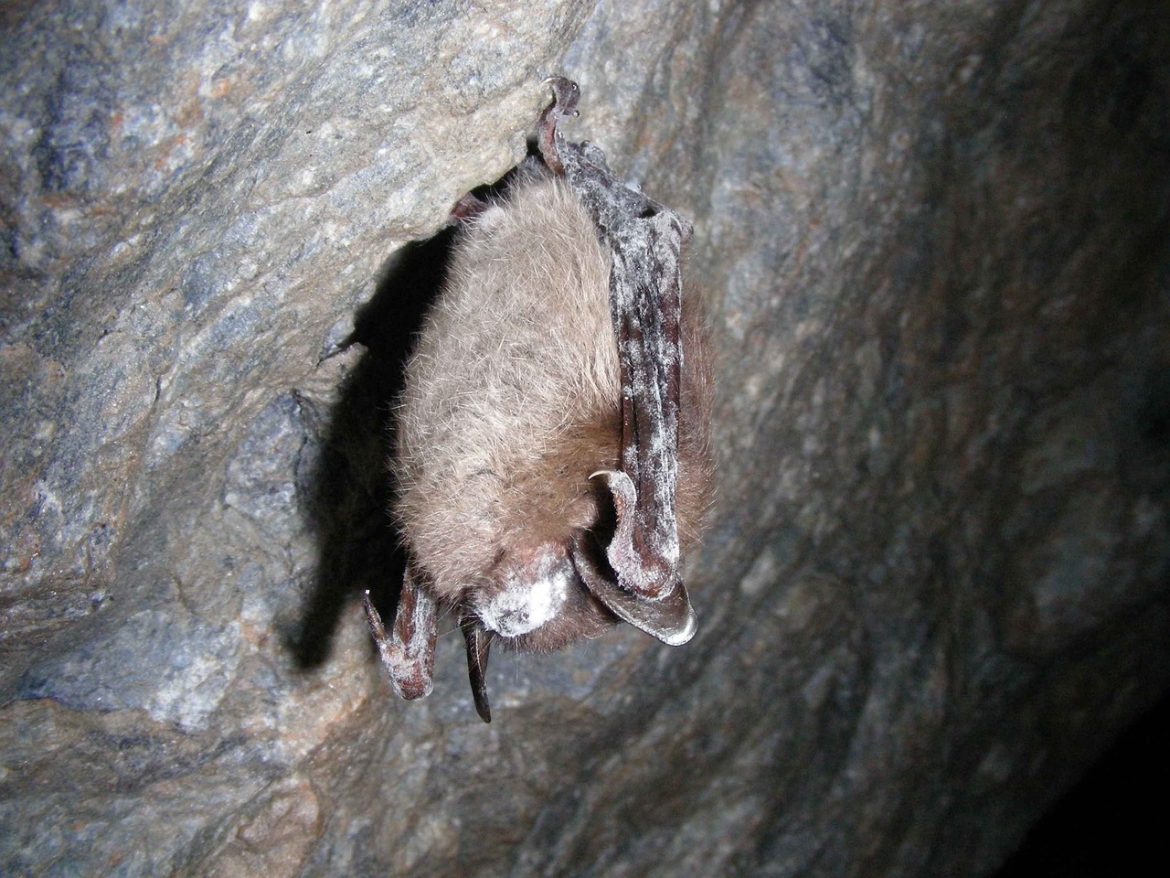
Bat populations are plummeting in Minnesota as the deadly white-nose syndrome spreads across caves.
The prescribed fires at the Sleeping Bear Dunes will assist in restoring forest habitat for species such as red pine while reducing smaller white pines, and improving habitat for Kirtland’s […]